
Funerals No Longer Reflect Our Values
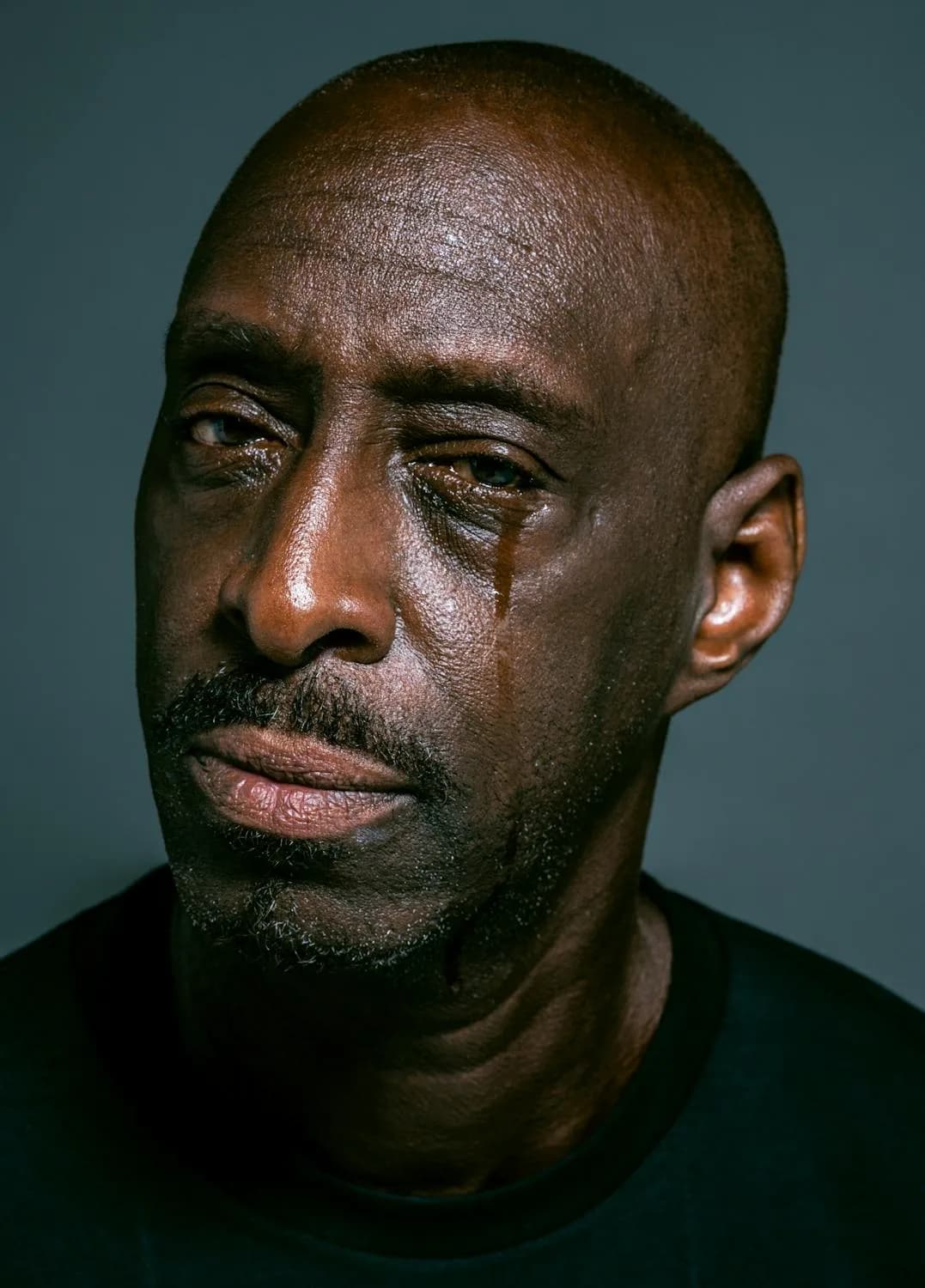
A funeral service is meant to be an emotionally intimate occasionâour final farewell to someone we loved and still hold dear. Traditionally, it was about honour, remembrance, and community support. Today, however, funerals have taken a turn that raises serious questions about how we grieve and honour our loved ones.
Thereâs growing pressure on bereaved families to organise the âperfectâ funeral, often driven by societal expectations and not necessarily the familyâs wishes. One wondersâwho set these new ânormsâ? What do traditional and tribal authorities say about modern additions such as After Tears parties, often framed as celebrations of the deceasedâs life?
In South African culture, funerals were deeply rooted in heritage, offering time to honour both the departed and their ancestors. Now, they're often marked by conflictâdisputes over burial versus cremation, lavish versus modest services, and who said what the deceased supposedly wanted. Ironically, those who stir up the most trouble during planning often contribute the least.
While it's natural for traditions to evolve, some developments are troubling. Many funerals today are noisy and chaotic affairs. Some attendees arrive drunk, cause disruptions, ignore proceedings, and rush through the service just to resume partying. Loud music, dancing, and alcohol have taken centre stageâoften at funerals for elders who never embraced such lifestyles. If thereâs no After Tears, the funeral is deemed dull.
Even food becomes a subject of judgement. People complain about what's servedâthe meat, the veg, the salad. The mourning family, already carrying a heavy emotional burden, is unfairly scrutinised.
This shift distracts from what funerals should be about: unity, compassion, and respect. Community members and neighbours once rallied to provide emotional and practical support. Today, that tradition is fading.
Yes, the Fourth and Fifth Industrial Revolutions are reshaping our lives. But should they erode our cultural identity? Should they dilute the respect and dignity we once upheld in saying goodbye?
Itâs not too late to go back to basics. We must re-centre funerals as sacred moments of remembrance, not just events for spectacle.
Bheki Nyathikazi is a Communication Practitioner. He writes in his personal capacity.